A lot of people think that if you want the benefits of GLP-1 medications, you have to deal with a needle. They see the headlines about injectable weight-loss drugs and assume a subcutaneous shot is the only way to get that specific mechanism of action. That’s not actually the case.
Rybelsus is a pill, not an injection. It uses semaglutide, the same active ingredient in popular injectables like Ozempic, but it’s formulated so you can take it orally. It’s intended to help adults with type 2 diabetes manage blood sugar and lower A1C levels. This isn’t some “lite” version of the injection; it’s the exact same molecule, just delivered through a different route.
But don’t assume “pill” means “easy.” Because semaglutide is a peptide, your stomach isn’t great at absorbing it. If you treat it like a standard vitamin, you’ll probably just waste your money. There’s a very specific ritual you have to follow, and failing to do so is the main reason patients tell their doctors, “it’s not working for me.”
The Dosing Ladder and the 30-Day Rule
Doctors don’t just jump to the highest dose on day one. If they did, your stomach would likely revolt. The titration process is there so your body can adjust to the shift in how your pancreas handles insulin and how your stomach empties.
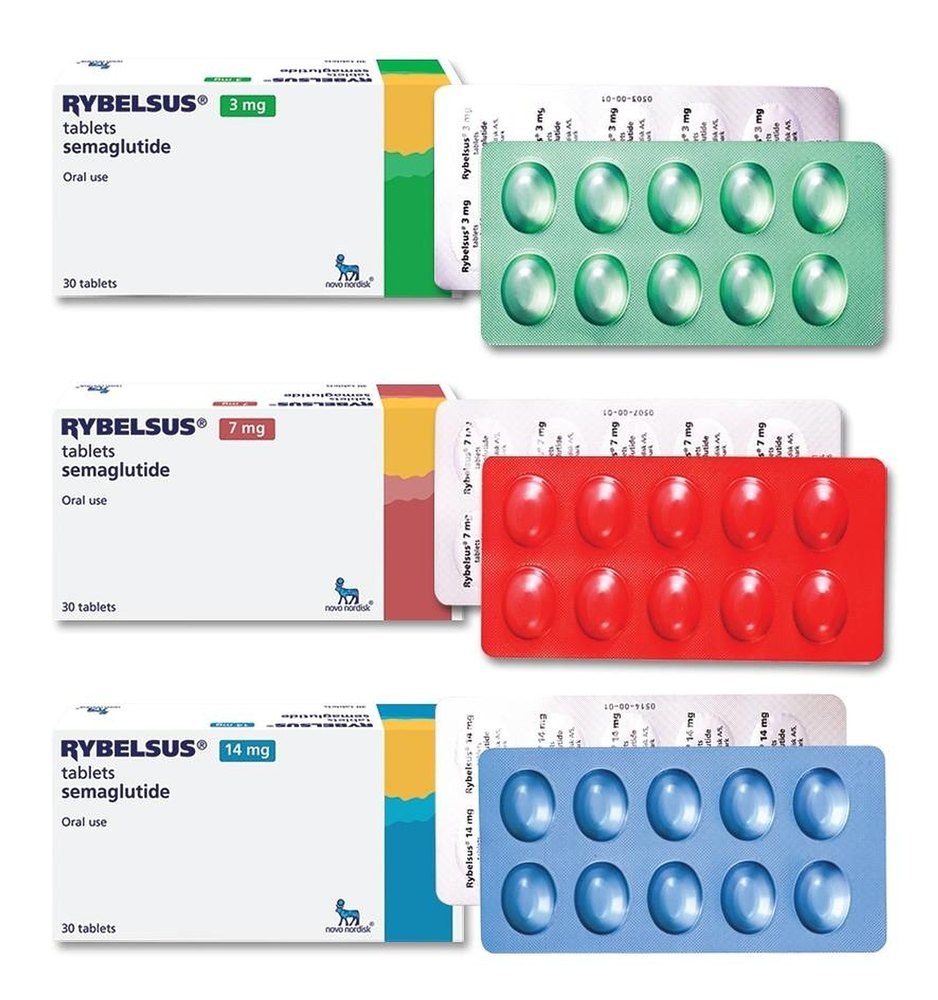
You’ll start with a 3 mg dose of RYBELSUS® for 30 days. This is the “starter” phase, a low dose meant to introduce the medication without causing immediate, severe nausea. After that first month, your doctor will likely prescribe a 7 mg dose. Some people eventually move up to 14 mg, but the jump from 3 mg to 7 mg is the most important transition.
Here is how dosing typically moves for a standard patient:
| Phase | Dosage | Duration | Goal |
|---|---|---|---|
| Initial | 3 mg | 30 Days | Acclimation to semaglutide |
| Maintenance | 7 mg | Ongoing | Blood sugar regulation |
| Advanced | 14 mg | As prescribed | Optimized A1C reduction |
This is a slow climb. If you feel fine on the 3 mg dose, you might be tempted to skip the 7 mg step. Don’t. The medication needs to reach a certain steady-state concentration in your blood to actually do its job on your A1C. Skipping steps is basically paying for a pill that isn’t doing its job.
While you’re working out your schedule, you might be looking for specific dosage info. For instance, if you’re searching for rybelsus 4 mg prospect, you’ll see that the standard clinical path usually jumps from 3 mg to 7 mg, making the 4 mg mark a non-standard or transitional query for many.
Absorption Hurdles and the Morning Ritual
The biggest mistake is the “whenever I remember” approach. If you take Rybelsus with a cup of coffee or a breakfast burrito, you’re essentially flushing the medication away. The absorption rate of oral semaglutide is incredibly sensitive to food, water, and other meds.
To get the drug into your bloodstream, you have to follow these rules:
- Take it first thing in the morning.
- Take it on an empty stomach.
- Take it with no more than 4 ounces (about 120 ml) of plain water.
- Wait at least 30 minutes before eating, taking other medications, or drinking anything else.
I once spoke to a patient, a 54-year-old carpenter named Mike, who was frustrated that his A1C wasn’t budging despite taking the pill every night. He thought he was being “consistent.” In reality, he was taking it right before bed, and because he had a small snack in the evening, the absorption was being blocked. Once he switched to a strict morning routine, his levels finally stabilized.
The chemistry is finicky. The medication needs a very specific, low-acid environment in the stomach to pass through the gastric mucosa effectively. Too much water dilutes it; too much food blocks it. It’s a narrow window, but it’s the only one that works.
Side Effects: What to Actually Expect
We hear a lot about the weight loss benefits of GLP-1s, but the side effects are what actually determine if someone stays on the drug or quits. Most side effects are gastrointestinal. They tend to hit hardest when you increase your dose from 3 mg to 7 mg.
Nausea is the big one. It’s not a “maybe”; for many, it’s a “definitely.” You might also experience:
- Diarrhea or constipation.
- Stomach pain or bloating.
- Decreased appetite (which is intended, but can feel unpleasant).
- Vomiting in some cases.
There is a more serious warning on the label: WARNING: RISK OF THYROID C-CELL TUMORS. While this was primarily observed in animal studies, the FDA requires this warning for all drugs in this class. If you have a personal or family history of certain thyroid cancers, you need to talk to your doctor before starting. It’s a non-negotiable conversation.
For most, though, the side effects are a temporary nuisance. They usually peak a few days after a dose increase and then taper off as your body adapts. If you experience severe abdominal pain that won’t go away, that’s a red flag. That could indicate pancreatitis, which is a rare but serious complication of many diabetes medications.
Lifestyle Integration and Long-Term Use
Rybelsus isn’t a magic wand. It’s a prescription medicine used alongside diet and exercise to improve blood sugar in adults with type 2 diabetes. If you take the pill but keep eating a high-carb, highly processed diet, you’re fighting an uphill battle that the medication eventually will lose.
The medication works by mimicking a hormone your body naturally produces. It tells your pancreas to release insulin when blood sugar is high and tells your brain that you’re full. Because it affects satiety, your relationship with food will change. This can be a shock. You might find that a meal that used to be “just fine” now makes you feel uncomfortably full after just a few bites.
Here are some practical adjustments for a smoother experience:
- Eat smaller, more frequent meals instead of three large ones.
- Prioritize protein to maintain muscle mass while losing weight.
- Stay hydrated, but remember: not during that “morning ritual” window.
- Track your glucose as directed, because “feeling full” isn’t the same as “blood sugar is stable.”
Long-term use is a commitment. Many people start the medication hoping for a quick fix, but managing type 2 diabetes is a marathon. The medication is a tool that makes the race much easier to run, but you still have to do the running. It helps lower the risk of certain cardiovascular events, but it’s part of a larger health strategy, not a replacement for a healthy lifestyle.
Always take your medication at the same time each morning to keep consistent levels in your blood.