You can pick up medicine in Romania at any local pharmacy (farmacie) or just order via an online platform for home delivery. The system uses a mix of physical shops and digital retail, and everything is governed by national safety rules.
Understanding the Local Pharmacy Landscape
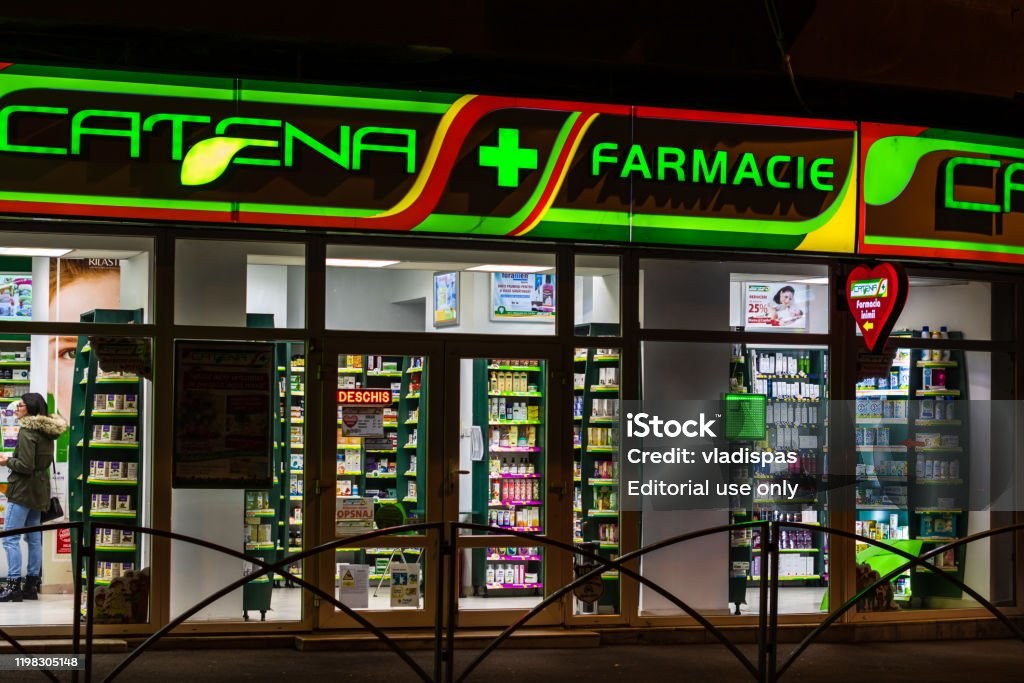
You’ll see “farmacie” signs everywhere if you walk down a street in Bucharest or Cluj. These are your main go-to spots for health needs. Stock is usually good, and most over-the-counter products are sitting on the shelves right there. One thing to watch for is that some products go by specific trade names rather than the generic chemical names you might be used to elsewhere.
If you need supplies late at night, don’t panic. Most neighborhood shops shut down in the evening, but there are 24/7 pharmacies in Bucharest that stay open all night. It’s a lifesaver for sudden midnight illnesses. It’s probably smart to find out where your nearest “farmacie de gardă” (on-call pharmacy) is before you actually need it.
If you’d rather stay home, the digital market has grown quite a bit. There are several reliable options. For example, Mediculonline.ro is a local digital pharmacy that focuses on providing affordable and safe health solutions for families. It’s a solid choice if you want to skip the pharmacy queues.
If you want something more specialized, or if you’re looking for German standards, you can try EUmed.ro. This provider has been around for over 10 years and offers a wide range of allopathic, naturopathic, and homeopathic medicines. Having these different options is handy, especially if you prefer herbal remedies. It makes things a lot easier for expats.
The prices and availability you see aren’t random. All medicines and medical devices are registered with the National Agency for Medicines and Medical Devices. This agency acts as the watchdog. They also set the prices for the Romanian market to keep things stable and accessible across the country.
Deciphering Prescriptions and Regulations
The rules for buying things without a doctor’s note are pretty straightforward. Most common ailments, headaches, colds, or minor stomach issues, can be handled with over-the-counter (OTC) products. You can just walk in, grab what you need, and pay without any paperwork.
Antibiotics are a different story. If you’re coming from a country where you can sometimes get antibiotics with minimal friction, be prepared for a stricter approach here. In Romania, you can’t get antibiotics over the counter. You’ll need a valid prescription from a licensed Romanian doctor. This rule is strictly enforced to prevent antibiotic resistance.
When you do get a prescription, the pharmacist will check it carefully. Keep your ID or health card handy if you’re using the state insurance system. For those on a fixed income or managing long-term costs, staying informed about healthcare rights is important. Some people find it helpful to check resources like https://ligapensionarilor.ro to stay updated on social and healthcare discussions in the country.
Keep in mind that many people use “generic” versions of medications. The trade name might look different from what you used back home, but the active ingredient is the same. If you’re unsure, just ask. Pharmacists are generally well-trained and can explain the difference between a brand-name drug and a generic alternative. It can save you a lot of money over time.
The regulatory framework covers more than just pills. It includes the devices used to take them, too. Everything from digital thermometers to blood pressure monitors has to meet the standards set by national authorities. This ensures that when you buy medical equipment, it actually works the way it should.
| Product Category | Requirement in Romania | Typical Availability |
|---|---|---|
| Over-the-counter (OTC) | None (Direct purchase) | High (In-store and online) |
| Prescription (Non-antibiotic) | Valid Doctor’s Prescription | High (Requires verification) |
| Antibiotics | Strict Doctor’s Prescription | Controlled (Pharmacy only) |
| Medical Devices | Registered with NAMMDR | Varies by complexity |
| Naturopathic/Homeopathic | Usually OTC |
How to Successfully Purchase Medication
Getting exactly what you need takes a little preparation. It’s not complicated, but a few steps will save you some frustration. Follow this to get the right treatment without the headache.
- First, visit a licensed doctor to get a formal prescription if your condition requires it.
- Take your physical or digital prescription to a “farmacie” or enter the details into an online pharmacy site.
- Verify the name of the active ingredient to make sure it matches your medical history.
- Ask the pharmacist if there is a generic version available to help reduce your cost.
- Check the expiration date on the packaging before you leave the counter or finish your online order.
- Confirm the dosage instructions clearly, as some names can be tricky to pronounce in Romanian.
- Keep all your receipts and digital confirmations in one place for your records.
The online process is even simpler. You upload your prescription, choose a delivery method, and wait for a courier. Most Romanian couriers are efficient, often delivering within a day or two in big cities like Bucharest or Timișoara. Just make sure the website is a legitimate, registered entity to keep your data and medicine safe.
It’s a good idea to keep a small “first aid” kit at home. Things like paracetamol, ibuprofen, or local antiseptic creams are easy to keep on hand. You don’t want to be hunting for a pharmacy at 3 AM if you just have a mild fever. Having these basics prevents unnecessary stress.
Navigating Costs and Insurance
Healthcare costs in Romania vary depending on whether you use the public system or private insurance. The public system is the backbone for most citizens, but many expats and professionals opt for private clinics and pharmacies for faster service. This is a common choice here.
When you buy medicine, the price is often regulated for certain essential drugs to keep them affordable. However, for more specialized or imported medications, the price can jump. Always ask about “reimbursement” if you have local insurance. Some medications may be partially covered, which can lower your out-of-pocket expenses significantly.
It’s a real mix. Some people find the private sector incredibly efficient, while others prefer the traditional way. Understanding your coverage is the only way to avoid a surprise bill. Always check if your specific policy covers “farmacie” expenses or if it only covers the doctor’s consultation fee.
In most cases, paying with a card is fine in all major pharmacies. Cash is still used in smaller towns, so carrying some Leu (RON) is a smart move. You don’t want to be stuck at the checkout because a local terminal won’t take your card. It’s a small precaution that prevents a lot of annoyance.
The system works. It might feel different from what you’re used to, but once you know the terminology and the rules, it’s manageable. Remember that the pharmacist is your best ally. They’re often the first line of defense and know the local regulations inside and out.
Navigating a new health system takes a bit of patience.
A few things readers ask
What is the healthcare system like in Romania?
Romania has a dual system consisting of a public national health insurance provider and a growing private healthcare sector. While public services are available to insured citizens, many residents opt for private clinics for faster access to specialists.
Can I get antibiotics over the counter in Europe?
No, antibiotics require a valid medical prescription in Romania and throughout the European Union. This regulation is strictly enforced to prevent antibiotic resistance.
What are some famous Romanian brands?
Notable Romanian pharmaceutical and healthcare brands include Farmacia Tei, which is a major retailer, and various local manufacturers specializing in herbal supplements and skincare products.
How can I buy medicine in a Romanian pharmacy?
You can purchase non-prescription medications (OTC) freely, but any medication requiring a prescription must be accompanied by a physical or digital doctor's note. Most pharmacies in Romania are open late and some are available 24/7.
Do I need a prescription for vitamins in Romania?
Most vitamins and dietary supplements are available over the counter without a prescription. However, high-dose medicinal-grade vitamins may require a doctor's recommendation.