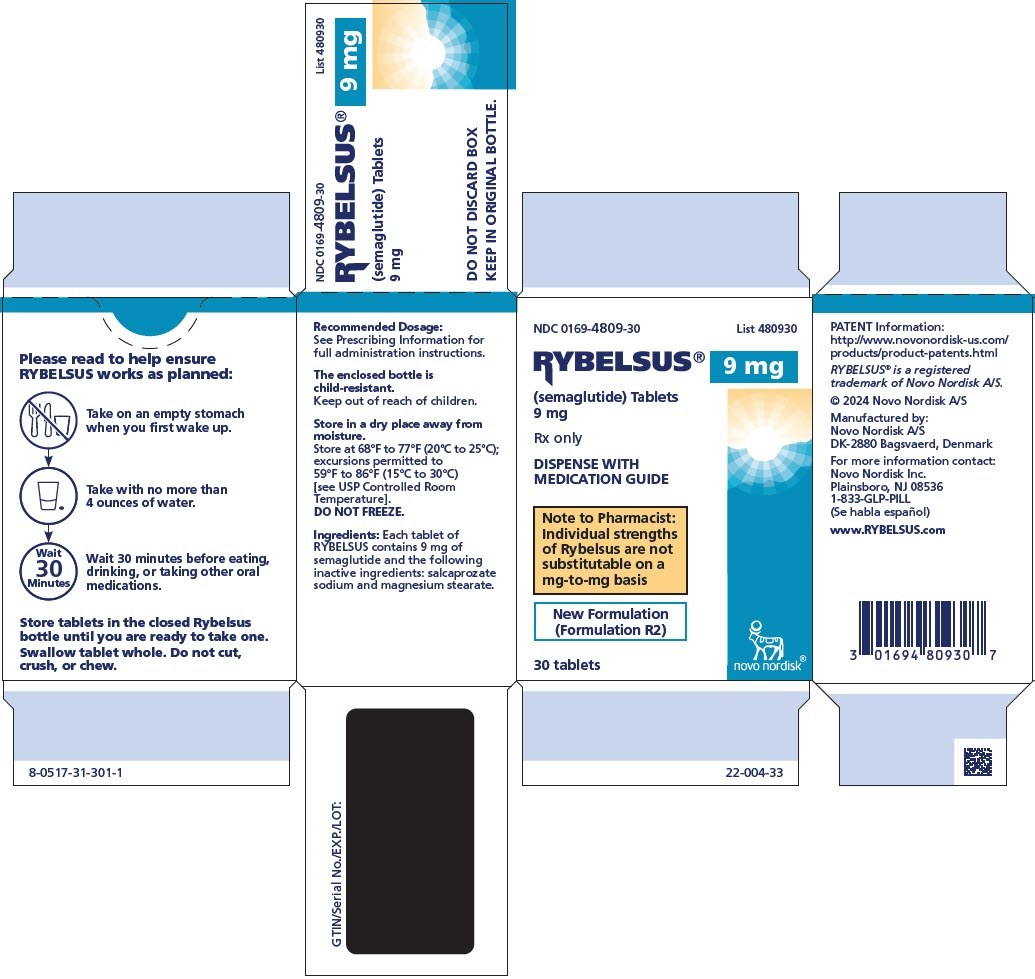
2017 was the year things started to change for type 2 diabetes patients who wanted to avoid needles. That’s when the FDA gave its first U.S. approval for a new way to deliver semaglutide. For a long time, if you needed a GLP-1 receptor agonist, you were stuck with subcutaneous injections. You had to deal with the logistics of keeping things refrigerated, the awkwardness of using a needle in a restaurant, and the sheer annoyance of a weekly or daily prick.
Then came Rybelsus. It took that same semaglutide ingredient and turned it into a small, once-daily tablet. This wasn’t just a minor tweak; it was the first oral GLP-1 receptor agonist. It was a big deal for anyone who has ever looked at a syringe and felt an immediate urge to be anywhere else but there.
But “big deal” doesn’t mean “easy.” Medicine rarely offers a clean solution to a problem. Every pill comes with a set of instructions that feel more like a chore list than a guide. You can’t just swallow it with your morning coffee and walk out the door. There is a specific, somewhat finicky ritual required to make sure the drug actually gets into your system.
If you don’t follow the rules, you’re basically taking an expensive placebo. Absorption is sensitive. The timing of your meals, how much water you drink, and even how you hold the tablet in your mouth can decide whether the medication works or just passes through you without doing much of anything.
The Mechanics of Daily Dosing
Taking Rybelsus isn’t a casual thing. Most people think “taking a pill” means a quick action during a morning rush, but this isn’t that kind of pill. To get the semaglutide to cross the stomach lining, you have to follow a strict protocol that feels almost liturgical.
First, you take it first thing in the morning. Second, you need a very small amount of plain water, about four ounces. Third, you can’t eat, drink anything else, or take other meds for at least thirty minutes after swallowing it. If you miss that window, food or extra liquid might dilute the medication or speed up how fast it moves through your stomach, which ruins the whole process.
The dosage isn’t something a doctor just tells you to “figure out” as you go. There is a specific ramp-up period to help your body adjust to a hormone it isn’t used to processing this way. According to the prescribing information for RYBELSUS, the starting dosage is 1.5 mg orally once daily for 30 days.
After that first month, you move up the ladder. If your blood sugar isn’t hitting the target, your doctor might increase the dose to 4 mg once daily. From there, maintenance doses usually land in the 7 mg or 14 mg range. It’s a gradual climb, mostly meant to minimize the stomach issues that come with adjusting to a GLP-1.
This complicated schedule is why some people struggle to stay on it long-term. You have to be disciplined. It requires a morning commitment that doesn’t always work with a lifestyle of late nights or erratic waking schedules. If you miss your window, you can’t just “double up” later in the day; you have to wait until the next morning.
Navigating the Side Effect Profile
We have to talk about the stomach. It’s the elephant in the room with every GLP-1, and Rybelsus is no exception. Since these drugs slow down gastric emptying, basically telling your stomach to slow down, the most common complaints are gastrointestinal. Nausea is the big one, but there are others.
Common side effects include:
- Nausea and stomach upset
- Vomiting or diarrhea
- Constipation
- Decreased appetite
- Abdominal pain
For many, these symptoms are temporary. They usually peak when you increase your dose and then settle down once your body realizes it isn’t being poisoned. But for some, the nausea is debilitating. It’s a trade-off people make for better glycemic control, but it takes patience. You might find yourself staring at a piece of toast like it’s an enemy for a week or two.
There is also a serious warning at the top of the label. There is a warning regarding the risk of thyroid C-cell tumors. This was primarily seen in rodent studies, but the warning remains a standard, heavy-duty part of the packaging. If you have a personal or family history of Medullary Thyroid Carcinoma (MTC) or Multiple Endocrine Neoplasia syndrome type 2 (MEN 2), you should stay away from this medication. It’s one of those “check with your doctor” moments that isn’t optional.
Keep in mind that Rybelsus is an adjunct. The label is clear: it is indicated as an adjunct to diet and exercise. If you take the pill but keep eating a diet high in processed sugars and simple carbs, you’re fighting an uphill battle. The medication is a tool, not a magic wand. It works best when it helps you navigate a healthier lifestyle instead of trying to overpower a bad one.
Comparing the Oral and Injectable Options
People often wonder why they’d choose a pill if an injection is available. Usually, it’s just preference. Some people have a needle phobia that makes a weekly injection a massive psychological hurdle. Others just want the ease of a small tablet they can keep in a desk drawer. You can find more information about how these treatments fit into a lifestyle on HappyHealth Rybelsus.
When looking at the broader market for diabetes management, there’s a whole spectrum of delivery methods. The choice isn’t just about how the drug gets into you; it’s about how it interacts with your specific metabolism and your ability to stay consistent. Some find the daily pill leads to more “ups and downs” in blood sugar because of how it’s metabolized, while long-acting injections provide a steadier level in the bloodstream.
Cost is another factor. While I won’t get into the weeds of insurance negotiations, the price of a brand-name daily medication can be very different from a weekly injection, depending on your plan and your pharmacy. It’s a math problem many patients spend more time solving than their actual glucose levels.
There is a certain irony in how we manage type 2 diabetes today. We have these sophisticated chemical signals we can deliver in a tiny, dry tablet, yet the basic requirement for success is the same as it was decades ago: you still have to move your body and watch what you eat. The technology has changed, but the biology hasn’t.
| Feature | Rybelsus (Oral) | Injectable GLP-1s |
|---|---|---|
| Administration | Once-daily tablet | Weekly injection |
| Ease of Use | High (no needles) | Lower (requires needles) |
| Dosing Routine | Strict (must be empty stomach) | More flexible |
| Primary Side Effects | GI upset, nausea | GI upset, nausea |
The choice often comes down to a negotiation between your lifestyle and your symptoms. If you’re someone who forgets things easily, a weekly injection might be easier. If you hate needles, the daily pill is your path. Either way, you’re using high-tech ways to manage an ancient metabolic struggle. It’s a complicated time to be managing blood sugar.
As more oral versions of these medications hit the market, the way we think about chronic disease will likely keep shifting away from the clinic and into our homes.