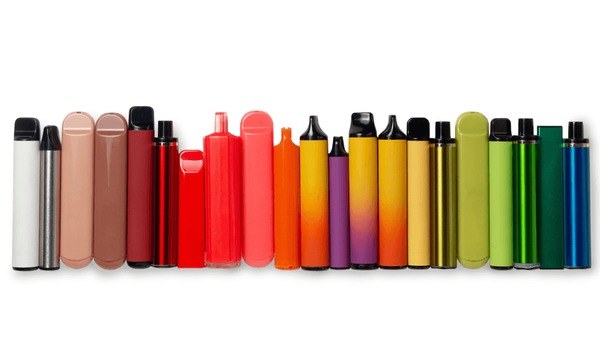
Thousands of plastic casings end up in local landfills every single day. Most are small, brightly colored, and contain a tiny lithium battery that will outlive us all.
It’s a strange sight to see a bin overflowing with these little colorful sticks. They look more like candy wrappers than electronic waste. We’ve seen the shift happen almost overnight. One day, people were carrying bulky tanks and complex setups; the next, they were pulling out sleek, lightweight sticks that look like they belong in a high-end stationery shop.
Convenience is what grabs people first. You don’t have to worry about leaking juice, changing coils, or carrying a bag of spare parts just to get through an afternoon. You just grab a new one, take a few puffs, and when the flavor fades or the light stops blinking, you toss it.
It feels effortless, maybe even too easy. But that ease comes with a hidden cost that isn’t on the packaging. We need to talk about what happens when “easy” becomes the default setting for how we consume nicotine.
The Allure of the One-and-Done Method
The reason these devices took over is simple: they removed the barrier to entry. If you’ve ever tried to build a traditional setup, you know the frustration of a dry hit or a sudden leak that ruins your favorite shirt. A disposable unit removes those headaches entirely.
There’s a certain comfort in knowing exactly what you’re getting. You walk into a shop, pick a flavor, maybe something fruity or creamy, and you know that device will work the same way on the last puff as it did on the first. It’s a very controlled experience.
This is why they’re so popular with younger crowds who might find the technical side of vaping intimidating. You don’t need to be a tinkerer. You just need to know how to inhale. It turns a hobby into a commodity, something you buy like a pack of gum or a bottle of water.
The flavors are a massive part of this, too. They aren’t just “tobacco” or “menthol” anymore. We’re talking about blue raspberry slushies, mango tang, and dessert profiles that make the whole thing feel more like a snack than a nicotine delivery system. It’s clever marketing that hides the actual intent of the product.
This shift is changing everything. It’s no longer a ritual involving a device you maintain; it’s just something you discard. Once that mindset takes hold, it’s hard to reverse.
The Hidden Mechanics of the Flavor Trap
Strip away the bright colors and the sweet scents, and you find a very efficient, very small piece of tech. These devices use a tiny heating element and a non-rechargeable battery. This design makes them cheap to produce, which keeps the retail price low enough to keep people coming back constantly.
The way the liquid is delivered is also worth a closer look. Most of these use a mesh coil or a cotton wick pre-soaked in a high-concentration salt nicotine base. Salt nicotine is different from old-school freebase nicotine. It hits the bloodstream faster and feels smoother in the throat, which means you can take more puffs without realizing it.
Is this making it easier to quit, or is it just making it easier to stay hooked? That’s the question. The smoothness of the vapor is deceptive. It masks the harshness that used to be a signal to slow down, allowing you to consume much higher levels of nicotine than you might realize.
Consider what people are actually inhaling:
- Highly concentrated nicotine salts that hit the system instantly.
- Artificial sweeteners used to create that “candy” mouthfeel.
- Propylene glycol and vegetable glycerin as the base carriers.
- Residual metals from the heating element that can leach into the liquid.
Because the device is closed, you never see the liquid getting low. You don’t see the wick burning out or the coil getting nasty. You just use it until it stops working, meaning you’ve likely consumed every last drop of that concentrated liquid without any warning.
The Environmental and Personal Cost
If we look at the lifecycle of these things, the math doesn’t really add up for the planet. Every single unit is a tiny environmental disaster. You have a lithium-ion battery, a circuit board, a piece of plastic, and a reservoir of liquid, all fused together into one unit that is nearly impossible to recycle properly.
Most people don’t have a way to dispose of these correctly. They end up in the trash, where the batteries can cause fires in garbage trucks or leak heavy metals into the soil. It’s a massive amount of waste for a very short-lived experience. We’re trading long-term ecological health for a few days of convenience.
On a personal level, the “disposable” nature of the habit changes how you perceive your own consumption. When you use a refillable system, you’re aware of the cost, the maintenance, and the amount of liquid you’re using. There’s a level of mindfulness in being a “vaper” rather than just a consumer of a disposable product.
The transition from a controlled, intentional habit to a mindless, repetitive one is subtle. It’s like the difference between cooking a meal and eating a bag of chips. One requires presence and an understanding of ingredients, while the other is just a reflex that leaves you feeling empty once the bag is gone. It’s a slippery slope.
| Feature | Disposable Units | Refillable Systems |
| Maintenance | Zero effort | Requires regular cleaning |
| Initial Cost | Low per unit | High upfront |
| Environmental Impact | High waste | Low waste |
| Flavor Control | Pre-set only | Completely customizable |
We see people spending more money in the long run because they’re constantly replacing these units. The “cheap” option becomes an expensive subscription you didn’t realize you signed up for. It’s a way to ensure steady revenue for manufacturers while shifting all the cleanup work onto the consumer and the environment.
Finding a Path Toward Better Habits
If you find yourself buying new devices every few days, it might be time to look at the mechanics of the habit. Usually, the desire to buy a new device isn’t about needing more nicotine, but about wanting a fresh flavor or a “hit” because the current device is dying.
Moving toward a more sustainable approach involves more work, but it’s better for your wallet and your conscience. It requires a shift from being a passive consumer to an active user. You have to take responsibility for the device in your hand, cleaning it, filling it, and maintaining it.
There are ways to transition away from the disposable model. You can start with a simple pod system that uses pre-filled pods. This is a middle ground. It gives you the ease of disposables without the massive amount of plastic and battery waste. It’s a way to bridge the gap while you get used to more permanent hardware.
The goal is to reclaim control. You shouldn’t be a slave to a disposable plastic stick that you throw away like a used napkin. There is a more intentional way to navigate this, one that respects both your own habits and the world you live in.
If you are currently using disposables, try switching to a refillable pod system to reduce your weekly waste and overall spending.