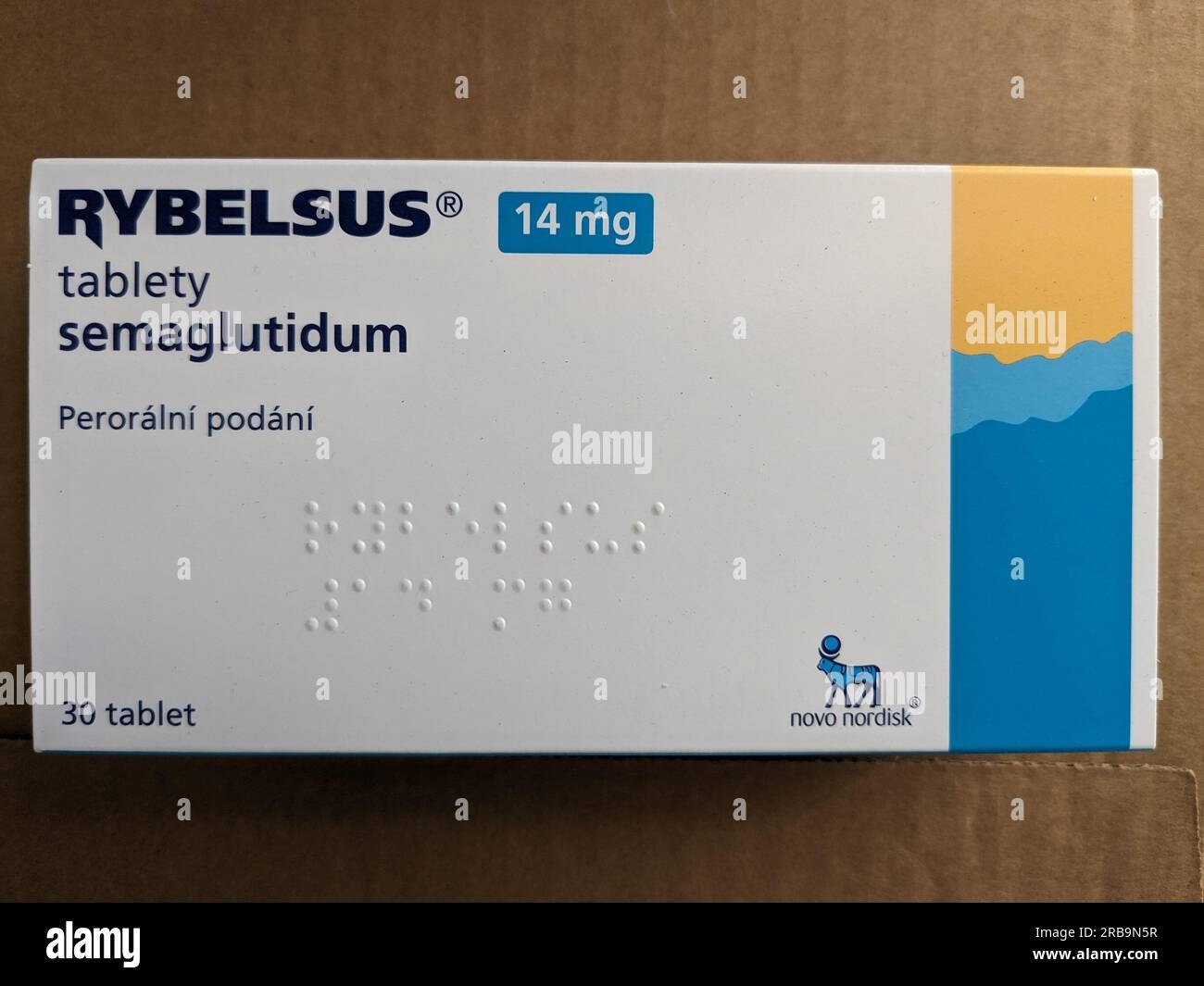
Most people assume managing Type 2 diabetes means living with a needle, but sometimes the most effective way to control blood sugar comes in a tiny pill. The medical world often leans toward injections for high-potency treatments, but oral semaglutide has changed what patients can expect regarding daily compliance. It isn’t a magic fix, and it won’t replace a healthy lifestyle, but it does provide a biological lever that used to require a syringe.
There’s a common misconception that oral meds are inherently “weaker” than injections, but that ignores how the body actually absorbs chemicals. Ozempic and Rybelsus use the exact same active ingredient, semaglutide, so the difference is really just about how the dose gets into your system. Users often think a pill is less effective just because it’s convenient, but the science shows that when you take it correctly, the results are pretty comparable.
The problem is that the margin for error with Rybelsus is tiny. Unlike a shot that goes straight into the fat under your skin, a pill has to survive a brutal stomach environment to reach the intestinal lining. If you take it with a full glass of water and a heavy breakfast, you’re basically flushing your money and your treatment away.
The Biological Mechanics of Oral Semaglutide
Rybelsus works as a GLP-1 receptor agonist. To get why this matters, look at how your body naturally handles insulin. When you eat, your gut releases glucagon-like peptide-1 (GLP-1) hormones. These tell your pancreas to release insulin and tell your brain you’re full. In many adults with Type 2 diabetes, this natural signaling system isn’t working the way it should.
This medication mimics that hormone. It doesn’t just trigger insulin; it also tells the pancreas to stop producing glucagon, which is the hormone that actually raises blood sugar. It also slows down how fast your stomach empties. This means food stays in your system longer, making that feeling of fullness a physical reality rather than just a suggestion in your head.
The drug is designed to improve glycemic control in adults with Type 2 diabetes. Beyond managing blood sugar, Rybelsus tablets (semaglutide) are used to control blood sugar levels and reduce A1C levels. Lowering A1C is the real goal for long-term management since it shows your average blood sugar over months, not just a single moment in time.
It’s worth distinguishing between the different ways people use semaglutide. While some use it for weight management, the FDA-approved use is for glycemic control and, in some cases, reducing the risk of major cardiovascular events in adults with Type 2 diabetes. It’s a metabolic regulator first and a weight-loss tool second. If you want to buy Rybelsus, remember you’re buying a metabolic instructor, not a loophole for a bad diet.
The mechanism is sophisticated, but don’t expect a “set it and forget it” solution. Everyone’s body reacts differently to this hormone mimic. Some people find the signal is enough to stabilize their levels, while others find they need major dietary changes to see any real movement in their glucose readings.
The Rigid Protocol of Daily Dosing
If you don’t follow the instructions, the medication simply won’t work. This isn’t a suggestion; it’s a requirement of the chemistry. Semaglutide absorption is extremely sensitive to food and large amounts of liquid. The rules are strict: take it once a day, at least 30 minutes before any food, drink, or other meds.
The titration process is there to stop your digestive system from revolting. Most patients don’t start on a full dose. You’ll start with 3 mg and stay there for 30 days so your body can get used to it. This period is vital for minimizing the stomach issues that hit new users hardest.
After those first 30 days, the dose usually moves up to 7 mg or 14 mg. This slow step-up is why many people can handle the drug without constant nausea. If you skip the 3 mg phase or try to jump straight to 14 mg, the side effects will likely be bad enough to make you quit entirely.
Here is the typical schedule:
- Phase 1: 3 mg once daily for 30 days (The “Acclimation” Phase).
- Phase 2: 7 mg once daily (The “Maintenance/Escalation” Phase).
- Phase 3: 14 mg once daily (The “Maximum Efficacy” Phase).
The most common mistake is the timing of your first meal. You have to wait at least 30 minutes before eating or drinking anything except a small sip of plain water. If you eat a bagel thirty minutes after your tablet, you’ve essentially negated the dose. The drug needs an empty, quiet stomach to get into the small intestine where it can actually be absorbed.
Navigating the Gastrointestinal Reality
No one likes talking about side effects, but if you’re going to use a GLP-1, you need to know what’s coming. Because the drug slows down gastric emptying, nausea is the most common complaint. It’s a direct result of the drug doing its job: keeping food in your stomach longer.
Other common issues include:
- Diarrhea or constipation.
- Decreased appetite (this is often the goal, but it can feel extreme).
- Vomiting.
- Abdominal pain.
These symptoms usually peak during the dose escalation phases. When you move from 3 mg to 7 mg, your body is recalibrating. Most of these issues are transient and fade as you adjust, but if you’re vomiting constantly, you risk dehydration, which is a serious problem for anyone with diabetes.
How do you know if a side effect is “normal” or a reason to call a doctor? There’s a line. Mild nausea is part of the process. But debilitating pain or vomiting that stops you from keeping liquids down is a different story. You have to watch how your body reacts to the changes in your digestion.
You can manage some of this with lifestyle changes. Eating smaller, more frequent meals helps with that “fullness-induced nausea.” Also, avoid high-fat, fried foods. Since digestion is slower, heavy fats sit in your stomach longer, which leads to discomfort and acid reflux.
The drug is also used to treat type 2 diabetes, and for many, the weight loss is a beneficial side effect. However, weight loss isn’t a guarantee for everyone, and it shouldn’t be the only reason you start a medication with such specific rules.
Comparing the Oral vs. Injectable Experience
The debate between Rybelsus and injectable semaglutide (Ozempic) is usually a trade-off between convenience and potency. The active molecule is the same, but the delivery is different. The injection bypasses the gut entirely, offering a more consistent dose. This is why doctors might prefer the injectable version for patients who struggle to follow the “empty stomach” rule.
| Feature | Rybelsus (Oral) | Injectable Semaglutide |
|---|---|---|
| Administration | Daily Pill | Weekly Injection |
| Convenience | High (No needles) | Moderate (Requires supplies) |
| Absorption | Sensitive to food/water | Highly consistent |
| Frequency | Every 24 hours | Once per week |
The “once a week” schedule offers a level of freedom the daily pill can’t match. If you miss a daily pill, you lose 24 hours of coverage. With an injection, you have a much wider window for error. For a busy person or someone with an irregular schedule, the weekly injection is often the better choice despite the needle phobia.
Then there’s the issue of cost and access. The oral version is often seen as more accessible since it doesn’t require medical supplies. But the strictness of the dosing window makes that “ease” a bit of an illusion. It requires a level of discipline that some find harder than just taking a weekly shot.
The choice depends on your biology and your life. If you hate needles but have a very consistent morning routine, Rybelsus is a powerful option. If your life is chaotic and you struggle with daily habits, the weekly injection is the safer bet for keeping your blood sugar steady.
It’s a tool, not a cure.