A wallet can warn you about a dangerous transaction and still leave you fully exposed to a bad decision. That is the counterintuitive fact many DeFi users miss. Security is not created by a colorful interface or a “simulation” button; it emerges from how well a wallet translates opaque blockchain actions into consequences a person can inspect before signing.
Consider a familiar US-based scenario. You connect to a new decentralized exchange, approve a token, and submit a swap that appears ordinary. The transaction succeeds, but the result is not what you expected: the approval was broader than necessary, the received asset was not the token you thought it was, or a contract interaction granted a third party more control than the interface made obvious. Nothing necessarily “broke.” The danger was hidden in the transaction’s meaning.
Myth One: A Web3 Wallet Is Just a Digital Keyring
The traditional mental model is simple: a wallet stores cryptocurrency. Technically, that is incomplete. Assets remain recorded on blockchains; a wallet manages the cryptographic keys and produces signatures that authorize state changes. When you use a DeFi protocol, the wallet is the boundary between your intention and a smart contract’s execution.
That boundary matters because a single transaction can contain more than “send this token.” It may call a contract, invoke a function, set an allowance, route an asset through multiple pools, or interact with a protocol deployed across several Ethereum Virtual Machine, or EVM, networks. The human-readable description shown by a decentralized application is useful, but it is not the blockchain’s final authority. The signed transaction is.
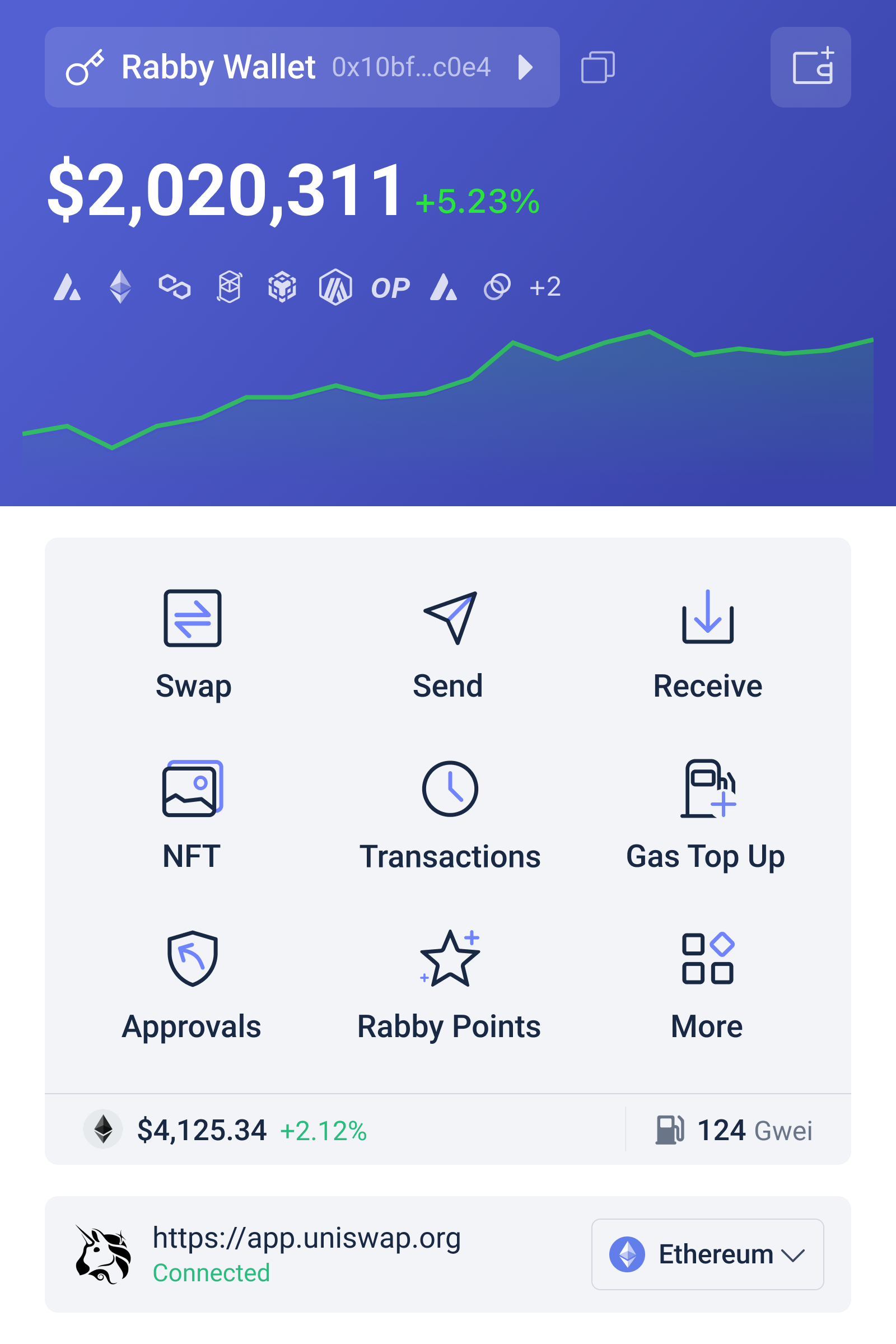
This is where an advanced wallet such as rabby is potentially more valuable than a basic signing tool. Its purpose is not merely to hold keys, but to help users inspect the proposed interaction across EVM chains before approval. The distinction is important: a wallet can improve the quality of a decision without making the decision for you.
What Transaction Simulation Actually Tells You
Transaction simulation is best understood as a controlled preview. The wallet attempts to execute the proposed transaction in an environment that reflects the current blockchain state, then reports expected changes such as assets leaving the wallet, assets arriving, or permissions being modified. For a DeFi user, this can turn an unreadable contract call into a more practical question: “What will my address look like if I sign this?”
That shift from intent to outcome is the technology’s most useful contribution. A swap interface may say that you are trading one asset for another. A simulation can help reveal whether the call appears to produce that outcome, whether an unexpected token is involved, and whether the wallet’s balance or approvals change in a way that deserves scrutiny. In a multi-step protocol interaction, the difference between the displayed promise and the simulated effect can be the earliest warning.
But simulation is not proof of safety. It is a model of a transaction under particular conditions. Blockchain state can change between simulation and inclusion in a block. A protocol may depend on external prices, liquidity, block timing, oracle updates, or transactions that execute before yours. A malicious contract can also behave differently depending on the caller, block context, or execution path. Simulation therefore reduces some forms of uncertainty; it does not eliminate adversarial behavior or market risk.
This is the central boundary condition. A warning system can identify a suspicious outcome, but it cannot establish that a protocol will remain solvent, that an asset has legitimate value, or that the economic terms of a trade are favorable. A simulation may show that you will receive the expected token while saying little about whether the token is liquid, redeemable, or governed by trustworthy code.
Myth Two: “The Transaction Failed” Means “Nothing Happened”
DeFi users often treat a failed transaction as a harmless event. That assumption is unsafe. A reverted transaction generally does not complete its intended state change, but the attempt may still consume network fees. More importantly, the surrounding workflow may include earlier approvals or separate transactions that did succeed. A failed swap does not automatically reverse a prior token allowance.
Approvals deserve special attention because they change the permission structure of an address. When you approve a contract to spend a token, you are not sending the asset immediately; you are granting spending authority subject to the allowance. Broad or unlimited approvals can be convenient, but they create a larger exposure if the contract is compromised, upgraded unexpectedly, or used through a malicious interface.
This is one reason transaction review should be treated as a sequence rather than a single green-light moment. Ask what is being authorized now, what was authorized earlier, and what permission will remain afterward. A wallet that highlights approvals and balance changes can make that sequence more visible, but the user still has to decide whether the permission is proportionate to the intended action.
DeFi Protocol Risk Does Not Disappear Inside a Better Wallet
A more informative wallet addresses a specific layer of risk: signing risk. It can help detect mismatches between a user’s expectation and the transaction’s apparent effects. DeFi itself adds several other layers.
Smart-contract risk concerns bugs, flawed assumptions, upgrade mechanisms, and privileged roles. Economic risk includes slippage, impermanent loss, liquidation, thin liquidity, and oracle failures. Market risk can overwhelm a technically correct transaction if prices move sharply. Operational risk includes phishing sites, counterfeit tokens, compromised devices, and mistakes in chain or address selection. A wallet may assist with some of these problems, especially interface-level deception, while having limited visibility into others.
The practical lesson is to separate “the transaction looks like I intended” from “the strategy is sensible.” Those are different claims. A lending deposit can be correctly represented and still expose you to liquidation or protocol insolvency. A bridge transaction can show the expected token movement and still depend on a cross-chain system with its own failure modes. Good signing hygiene is necessary, not sufficient.
A Reusable Review Framework for Advanced Wallet Users
Before signing a meaningful DeFi transaction, review it through four questions. First, identity: am I on the intended chain, using the intended contract, and interacting with the asset I think I am? Second, effect: what leaves the wallet, what arrives, and what changes in my balances or positions? Third, authority: does this transaction grant an allowance, transfer administrative control, or authorize future spending? Fourth, reversibility: if the protocol behaves badly or the market moves, what can I undo, and what cannot be recovered?
This framework is more durable than memorizing a list of wallet warnings. It also helps explain why experienced users still lose funds. Familiarity can encourage rapid signing, while sophisticated strategies often involve more contracts, more chains, and more permissions. Complexity increases the number of places where an honest interface can still be misunderstood.
For US users, there is an additional practical consideration: recordkeeping and operational discipline. Wallet activity may matter for tax reporting, portfolio attribution, and security investigations, even when a transaction is part of a complicated protocol route. A clear review process makes it easier to distinguish a swap from a liquidity position, a deposit from an approval, and a failed attempt from a completed action. It does not replace professional tax or legal advice, but it improves the underlying facts.
What to Watch as Wallets Become More Interpretive
The recent positioning of Rabby as a wallet for Ethereum and EVM networks reflects a broader direction in Web3: wallets are becoming interpretation layers rather than passive signature prompts. If users increasingly transact across many EVM chains, the value of chain recognition, contract context, simulation, and permission awareness may rise because the cost of confusion rises with network and protocol complexity.
The unresolved question is how much interpretation users should trust. A warning engine depends on the quality of the information it can obtain and the assumptions it makes about contracts and state. If users treat a clean simulation as a guarantee, improved tooling could create a new form of overconfidence. The better future is not a wallet that removes judgment, but one that makes judgment more informed and makes uncertainty visible.
The most defensible conclusion is modest but meaningful: a sophisticated Web3 wallet can move security from blind signing toward evidence-based signing. That is a substantial improvement when the alternative is approving contract calls on the basis of a familiar logo or a rushed pop-up. Yet the final responsibility remains distributed across the wallet, the protocol, the interface, the device, and the person holding the keys.
Frequently Asked Questions
Is transaction simulation a guarantee that a DeFi transaction is safe?
No. Simulation can show expected effects under particular blockchain conditions, such as likely balance changes or permissions. It cannot guarantee that a contract is free of bugs, that an asset has value, that market conditions will remain stable, or that execution will be identical when the transaction is mined.
Why should I review token approvals separately from swaps?
An approval grants a contract permission to spend a token, while a swap is an intended exchange. The approval may remain active after the swap succeeds or fails. Reviewing both helps you understand not only what happens immediately, but also what authority the contract retains afterward.
What is the most useful habit when using a Web3 wallet?
Compare your intended action with the resulting effects before signing. Verify the chain and contract, inspect assets leaving and entering, check for new permissions, and consider whether the action is reversible. This habit remains useful even when wallet security features are strong.
Leave a Reply