Okay, so picture this: you walk into your favorite coffee spot, tap a slim card on the reader, and your BTC or ETH move off-chain for a moment while a signed transaction gets broadcast. Sounds futuristic, right? It is. But it’s also already practical. Contactless smart-card wallets combine the tactile reassurance of a physical object with the cryptographic guarantees of blockchain. That blend is what’s catching on—fast.
Short version: they feel like a credit card, but they’re really a hardware wallet. The card contains a secure element that never reveals private keys. Transactions are signed on the card, not on your phone. The phone just asks for a signature. There’s a lot to like here—portability, low attack surface, and a user experience that’s actually accessible for non-geeks. But there are caveats, trade-offs, and honest limits too.
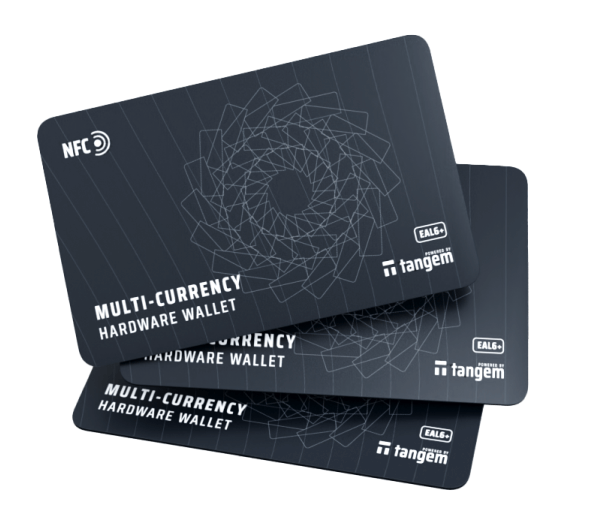
How contactless payments, blockchain security, and backup cards fit together
Contactless payments taught people to trust a tiny bit of silicon in their wallet. You tap, it approves. With crypto, though, the stakes feel different. You’re not paying a barista; you’re moving bearer assets that, if stolen, are gone for good. That’s where secure elements and offline signing matter. The card’s secure chip stores keys and performs signatures in an isolated environment. Your phone becomes a relay and display—nothing more. If you’re curious, check out tangem wallet for an example of this approach in action.
That one-line summary glosses over the subtleties. For example, timing attacks and relay attacks are real concerns. On one hand, NFC reduces need for cables and physical connectors that can be tampered with. On the other hand, radio interfaces introduce an attack surface that must be thoughtfully mitigated. Device firmware, mutual authentication, and secure update channels are all part of the security story.
Here’s what bugs me about a lot of product pitches: they promise “unhackable” security like it’s a guarantee. That’s not how complex systems work. Security is layered defense. The card itself can be extremely resilient, but your phone, backups, cloud services, and even how you write down recovery words all affect the end result. So—be skeptical, but not paralyzed.
Practical backup strategies deserve attention. Backup cards—physical cards that hold encrypted backups or recovery information—are a neat compromise between convenience and security. Unlike a single paper seed in a drawer, a backup card can be crafted to resist casual discovery, can be split (Shamir backup), and can even be stored in different jurisdictions. But keep in mind: any backup that restores full access is a single point of failure if mishandled. So redundancy + separation is key.
My instinct says: treat the smart card like a safe deposit box key, not like petty cash. Use the card daily for small flows if you like, but keep recovery material in hardened storage. Consider metal plates for durability, and think through legal access (if that’s even a concern where you live).
Usability vs. the paranoia trade-off
I’ve watched friends reject hardware wallets because they felt fiddly. People want crypto to be as easy as tapping a card. Contactless smart-card wallets address that UX gap. A single tap, PIN on phone or card, and you’re done. Seriously convenient. But convenience often raises risk. If someone steals both your card and your phone and can guess your PIN, you could be in trouble.
So what mitigations make sense? PIN retry limits that brick the device after too many attempts. Optional biometric gating on the phone app. Transaction limits for tap payments. And multi-sig setups where the card is only one required signer—so a stolen card is necessary but not sufficient to drain funds. Each layer reduces a different class of threat.
Oh, and one practical note: contactless works best when both partners—the card and the reader—implement good NFC standards. Some cheap readers misbehave or fail to provide proper anti-replay protections. Test before you depend on any setup in the field.
Regulatory, travel, and real-world considerations
If you travel in the US (or abroad), portability is a huge plus. No big clunky device to keep charged. No awkward airport searches of a bulky dongle. But customs and border agents remain a wild card—rules vary, and in some places officials can request passwords or hardware. I’m not a lawyer, so don’t take this as legal advice, but do consider the jurisdictional angle when storing recovery material.
Another practical point: interoperability. Open standards help. Cards that support industry-standard BIP32/BIP39 behavior, common APDU commands, and documented signing flows are easier to integrate with wallets and services. Closed systems can lock you in. If long-term access matters—and it does—favor standards and transparent update policies.
FAQ
Are contactless smart-card wallets as secure as Ledger or Trezor?
They can be. Security depends on implementation. Smart cards with a certified secure element, proper firmware signing, and robust PIN/bricking policies offer similar guarantees for key isolation. Differences show up in features (e.g., display-based transaction confirmation vs. phone app) and user model—choose based on threat model and usability needs.
What happens if I lose my card?
If you lose the card but have a secure backup, you can restore. Without backups, lost keys mean lost funds. Use split backups (Shamir or multiple recovery cards) and store them separately. Also, consider multi-sig: one card stolen doesn’t necessarily give full access.
Can these cards make everyday crypto payments practical?
Yes—especially for low-value, frequent transactions. They shine for convenience. For high-value transfers, combine them with multi-sig or additional confirmation steps to add safety. Think like you would with a bank card: small taps for coffee, bigger moves require more verification.
Leave a Reply