…and that’s why most people jump straight to the “cutting” phase without understanding the metabolic cost. If you want a direct answer: clenbuterol is a potent beta-2 agonist that works as a stimulant to raise body temperature and metabolic rate, but it isn’t a steroid and it carries serious cardiovascular risks.
It isn’t a magic pill for lean mass, regardless of what fitness influencers on Instagram claim. While people seek it out for its supposed fat-burning and muscle-retention properties, using a drug designed for veterinary asthma in a human body is a lot messier than a transformation photo makes it look.
The mechanism is simple. It stimulates the sympathetic nervous system, forcing the body into a state of heightened thermogenesis. You burn more calories just by existing, but the price for that metabolic spike is often a racing heart and a jittery, unsettled nervous system.
Users often chase that “dry” look that comes with rapid fat loss, wanting muscle definition without the water retention. However, the physiological trade-off is a fine line between a temporary metabolic boost and permanent cardiac irregularity.
The Mechanisms of Thermogenesis and Muscle Accretion
To understand why people take it, you have to look at the beta-2 adrenergic receptors. When clenbuterol binds to these receptors, it triggers an increase in core body temperature. This process, known as thermogenesis, is what drives the fat-burning effect that has made the drug a staple in underground bodybuilding circles.
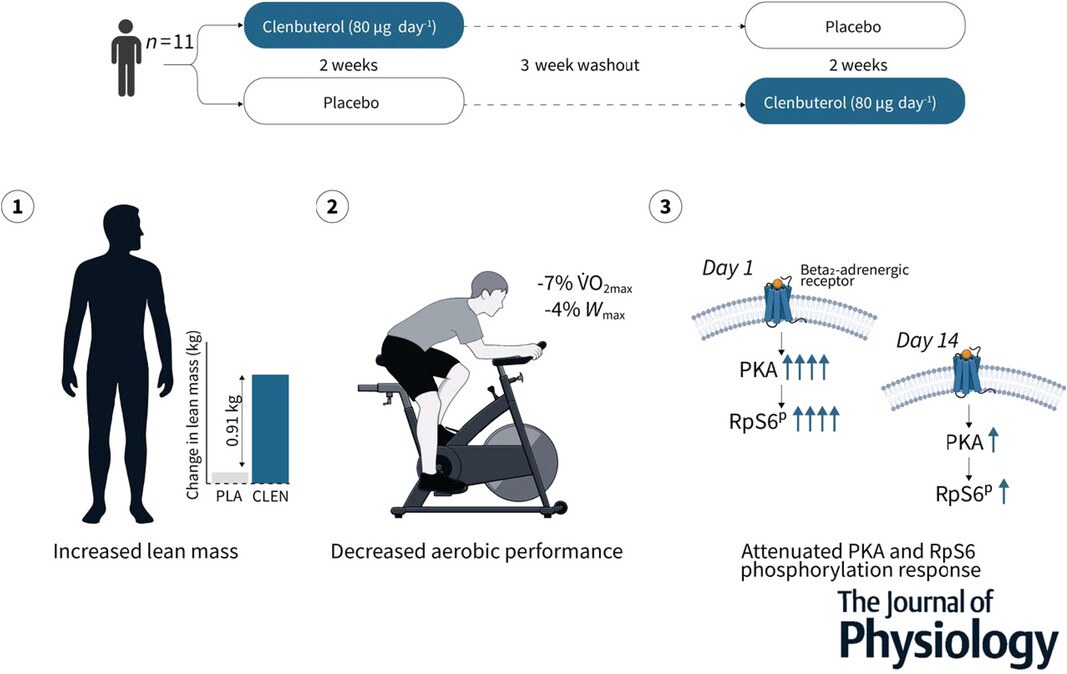
The β 2 -adrenergic agonist clenbuterol is widely abused specifically because of these purported effects on fat loss and its potential to induce lean mass by creating a more anabolic environment through increased protein synthesis. It isn’t a direct muscle builder like testosterone, but by stripping away the fat layer covering the muscle, it creates the illusion of more size.
Then there is the “repartitioning” myth. Some claim it helps direct nutrients toward muscle tissue while burning fat. This is largely anecdotal and lacks the clinical evidence seen with traditional anabolic-androgenic steroids. Instead of building new tissue through hormonal signaling, you are essentially forcing your body to run hotter and faster.
The metabolic demand is intense. Your heart works harder to circulate blood and your lungs work harder to meet the increased oxygen demand. It’s an artificial state of high-intensity training that occurs even while you are sitting at your desk.
Take Marcus, for example. He’s been training for five years, hits the squat rack four times a week, and follows a strict macro count. He decided to add a low dose of clenbuterol to break a plateau in his body fat percentage, but within three days, he was experiencing heart palpitations during his morning coffee and a hand tremor that made typing nearly impossible. He thought he was optimizing his physique, but he was actually just overclocking his nervous system.
The body doesn’t handle this kind of sustained stress well. When you artificially force your metabolic rate upward, you are essentially borrowing energy from your future self, often with high interest rates in the form of systemic exhaustion.
Cardiovascular Strain and Electrolyte Disruptions
The most immediate danger is the impact on the heart. Because clenbuterol is a stimulant, it directly affects your heartbeat’s rate and rhythm. This isn’t just a minor “buzz” like caffeine; it is pharmacological stimulation that can lead to serious issues. The dangers of clenbuterol include cardiovascular issues like arrhythmias and high blood pressure, which can persist long after the drug has left your system.
Arrhythmia, or an irregular heartbeat, is a common complaint. Your heart might skip a beat or race uncontrollably, a terrifying experience if you are alone in a car or a gym. This happens because the drug interferes with the electrical signaling that tells your heart when to contract.
Then there is the issue of potassium. Clenbuterol is known to deplete potassium levels in the body. This electrolyte imbalance is the primary reason users experience severe, agonizing muscle cramps. It isn’t just a “tight muscle”; it is a chemical imbalance that can lead to much larger issues, including muscle breakdown or even heart failure.
To manage the side effects, users often try to compensate with massive amounts of potassium and taurine, but you cannot easily out-supplement a pharmacological depletion of this magnitude. The biological “drain” caused by the drug is often faster than the body’s ability to replenish it through diet alone.
| Side Effect Category | Specific Manifestation | Physical Sensation |
|---|---|---|
| Cardiovascular | Tachycardia | Rapid, pounding heartbeat |
| Neurological | Tremors | Shaking in hands/limbs |
| Muscular | Cramping | Intense, involuntary contractions |
| Metabolic | Insomnia | Inability to fall or stay asleep |
If you are looking for specific ways to manage these issues, some people try to buy clenbuterol Amster Apotheek, but no amount of sourcing intelligence changes the chemical reality of how the drug interacts with your cardiac tissue. The risk is inherent to the molecule itself.
The Myth of the “Natural” Fat Burner
A common misconception in the fitness community is that clenbuterol is a “safe” or “natural” alternative to anabolic steroids. This is a dangerous fallacy. Steroids are hormones; clenbuterol is a sympathomimetic amine. They work on entirely different pathways in the body, and the risks of one do not mitigate the risks of the other.
In fact, using both simultaneously is a recipe for disaster. Steroids can already increase blood pressure and thicken the blood. When you add a potent beta-2 agonist into that mix, you are putting an immense amount of pressure on a cardiovascular system that is already working overtime. It is a compounding effect that many young athletes underestimate until they experience a medical emergency.
Many users also attempt to cycle the drug, using it for two weeks and then taking two weeks off to prevent the body from desensitizing to the effects. While this might prevent the “plateau” effect where the drug stops working, it does nothing to prevent the damage done to the heart or the depletion of electrolytes during the “on” weeks.
The “cycling” method is essentially a way to manage the side effects, not the risks. You might stop feeling the tremors when you take a break, but your heart and your endocrine system have still been subjected to those spikes in adrenaline and temperature. You aren’t resetting your body; you’re just pausing the discomfort.
The psychological aspect is also significant. Because the drug is a stimulant, it can lead to increased anxiety and paranoia. The “jitters” aren’t just physical; they are mental. People often find themselves in a state of constant hyper-vigilance, which makes recovery, training, and even daily life incredibly difficult. You are essentially living in a state of permanent “fight or flight.”
Long-term Physiological Consequences and Expert Warnings
Sports dietitians and medical professionals are largely unanimous. They warn that the pursuit of a lean physique should never come at the expense of permanent organ damage. The long-term effects of clenbuterol use are not as well-documented as steroids because people often use it in short bursts, but the acute damage can be significant.
One of the most concerning long-term possibilities is hypertrophy of the heart. When your heart is forced to pump harder and faster due to external stimulation, the muscle of the heart itself can thicken. This is not the “good” kind of hypertrophy you want in your biceps; cardiac hypertrophy makes the heart less efficient and can lead to heart failure later in life.
The “crash” after a cycle is also a real phenomenon. Once you stop the drug, your metabolic rate doesn’t just return to normal; it often dips below your baseline for a period. This can lead to rapid fat regain, which is the exact opposite of why people start using the drug in the first place. You end up in a cycle of using more to maintain your weight, which only deepens the physiological debt.
It’s important to realize there is no “safe” dose when you are using a substance that was never intended for human weight loss. The line between a therapeutic dose for an asthma attack and a dose that triggers a cardiac event is razor-thin. In a clinical setting, doctors monitor patients closely; in a garage gym, you are flying blind.
The culture of “biohacking” often encourages taking risks for marginal gains, but clenbuterol represents a threshold where the gains are temporary and the risks are systemic. You might lose two pounds of fat in a week, but you might also be setting a foundation for hypertension that you’ll have to deal with in your forties.
The drive for physical perfection is a powerful motivator, but biology has a way of demanding its due eventually.
Good to know
What is the best fat burner drug?
There is no single ‘best’ fat burner, as effectiveness depends on individual health, but Clenbuterol is often used for its potent thermogenic properties despite significant risks.
What are the side effects of a fat burner?
Common side effects of fat burners, particularly stimulants like Clenbuterol, include rapid heart rate, tremors, anxiety, insomnia, and increased blood pressure.
Which is better for fat loss, albuterol or clenbuterol?
Clenbuterol is generally considered more potent for fat loss due to its long half-life and strong beta-2 agonist effect, whereas albuterol is primarily used for treating asthma.
What effect does clenbuterol have on the brain?
Clenbuterol can affect the central nervous system, potentially causing heightened anxiety, jitteriness, nervousness, and sleep disturbances.
Is Clenbuterol safe for weight loss?
Clenbuterol is not FDA-approved for weight loss and carries serious cardiovascular risks, including heart palpitations and potential cardiac hypertrophy.
Leave a Reply